The Yo-Yo Diet Trap: Why Weight Keeps Coming Back & How to Stop It
By John Santini, Digestive Health & Wellness Mentor
22 Sep, 2025

What Is the Yo-Yo Diet Effect?
If you’ve ever lost weight on a strict diet, only to see it creep back a few months later, you’ve experienced the yo-yo effect. It’s called that because your weight goes down, then up again, just like a yo-yo toy moving on a string.
For many people, it’s not just frustrating – it’s exhausting. You put in all the effort, cut calories, follow rules, and celebrate early success. But as soon as “normal life” returns, the lost weight reappears, often with a little extra.
This cycle of weight loss and regain is incredibly common. Studies suggest that over 80% of dieters eventually regain the weight they lose within a few years. But why does it happen, and more importantly – how can you break the cycle?
How the Body Reacts to Dieting
Your body is not a machine – it’s a living system designed to survive. When you suddenly cut calories or remove entire food groups, your body perceives it as a potential threat of starvation.
Here’s what typically happens:
- Metabolism slows down: Your body burns fewer calories to conserve energy.
- Hunger hormones increase: Ghrelin (the “I’m hungry” hormone) rises, while leptin (the “I’m satisfied” hormone) drops.
- Cravings intensify: Especially for high-energy foods like sugar and fat.
- Digestion adapts: Gut bacteria shift in ways that can increase cravings and decrease efficiency in nutrient absorption.
This means even if you keep eating less, your body is working against you. The moment you “relax” the diet, your metabolism is slower, your cravings are stronger, and your body is primed to store fat. That’s the trap.
Why Does the Yo-Yo Effect Happen?
Several reasons contribute to this frustrating cycle:
1. Extreme restriction – Cutting out too much, too fast, is unsustainable.
2. Nutrient gaps – Diets that ignore essential nutrients (both macros and micros) leave you unsatisfied.
3. All-or-nothing mindset – Strict rules often lead to “I failed, so why bother” thinking.
4. Ignoring the gut-brain axis – Digestion, mood, and cravings are deeply connected. If your gut health is off, cravings and weight regain are more likely.
5. Stress and lack of sleep – Both stimulate hormones to make you hungry and store fat.
So the yo-yo effect isn’t about weak willpower. It's biology and psychology and daily life habits.
Who is at Risk of Experiencing the Yo-Yo Effect??
Not every diet approach is right for everyone. Some people are more prone to the yo-yo effect than others:
For individuals with a history of restrictive dieting – your metabolism may already be adapted to lower intake.
People with gut health issues – digestion and absorption problems can worsen nutrient imbalances.
Those who are chronically stressed – high cortisol levels make fat storage more likely.
Women in midlife – perimenopausal and menopausal hormonal shifts can make extreme diets especially ineffective.
If you see yourself here, don’t be discouraged. It just means you need a gentler, more sustainable approach.
And this is where tools like Brocalorie come in:
- The AI food scanner shows you nutrient breakdowns so you’re not just cutting calories blindly.
- The nutrition plan is personalized, so it’s realistic for your life and goals.
- The friendly Bro reminds you that this journey is about care, not punishment.
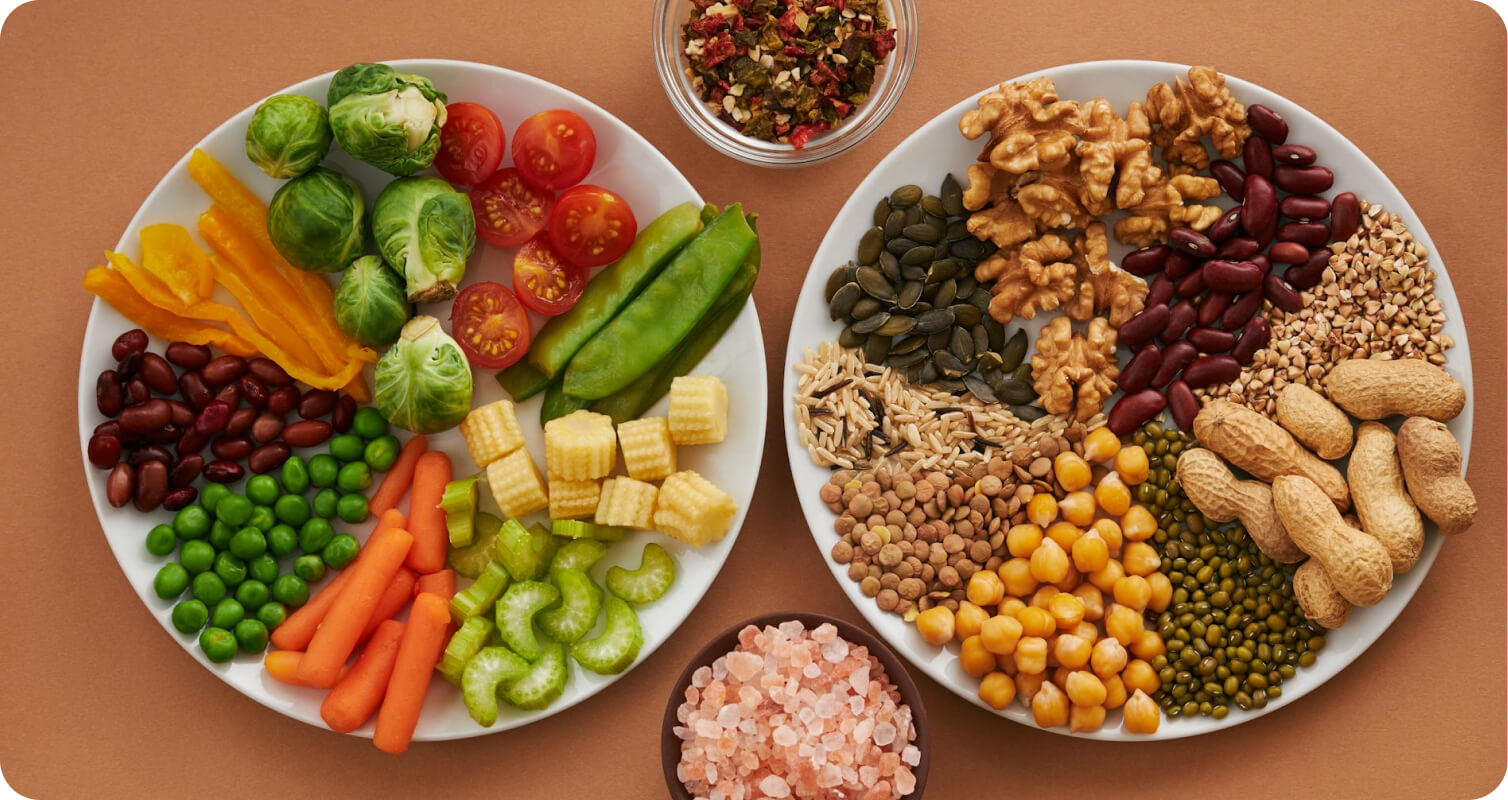
The Benefits of Stable, Balanced Eating
Instead of thinking about dieting as a temporary sprint, think of eating as a steady rhythm – like your heartbeat. Stable, balanced nutrition supports your gut, heart, and mind together.
When you eat consistently balanced meals:
- Energy stays steady – no sugar crashes or “afternoon slumps.”
- Digestion improves – your gut bacteria thrive on consistent fiber, protein, and healthy fats.
- Mood is more stable – nutrients like magnesium, B vitamins, and omega-3s support brain health.
- Weight naturally stabilizes – your body no longer swings between extremes.
And here’s the surprising part: stable eating doesn’t mean boring. It means flexibility. You can enjoy pizza, dessert, or wine without falling off track – because the foundation of your diet is solid.
Common Mistakes That Lead to Yo-Yo Dieting
Let’s be honest: most diets fail because they’re not designed for real life. Here are the mistakes I see most often in my coaching:
1. Over-restriction – Skipping meals, banning carbs, or living on salads.
2. Short-term focus – “I need to lose 10 pounds in 2 weeks.” Quick results often backfire.
3. Ignoring digestion – Eating foods that bloat you or irritate your gut leads to discouragement.
4. No flexibility – A birthday cake or weekend trip shouldn’t “ruin” your diet.
5. Lack of planning – Without easy go-to meals, you default to fast food or snacks.Avoiding these mistakes already puts you ahead of the game.
How to Truly Stop the Yo-Yo Cycle
Breaking free from yo-yo dieting isn’t about finding the “perfect diet.” It’s about creating habits you can live with for years. Here are strategies I teach my clients:
👉 Focus on nutrient density. Don’t just count calories – make calories count. Pair proteins, fiber, and healthy fats in every meal.
👉 Eat consistently. Skipping meals confuses your metabolism. Aim for regular, balanced meals.
👉 Support your gut. Fiber, probiotics, and hydration are non-negotiable for digestion and appetite control.
👉 Practice flexible balance. Allow occasional treats without guilt. A balanced diet has room for joy.
👉 Manage stress and sleep. These are just as important as food choices. A tired, stressed body craves sugar.
👉 Use tech wisely. With Brocalorie, you can track meals without obsession, see nutrient gaps, and adjust gently instead of drastically.
Small shifts matter: adding one extra serving of veggies, walking after dinner, or drinking enough water can do more than another crash diet ever could.
Conclusion: Build a Relationship, Not a Restriction
The yo-yo effect is not a sign of weakness. It’s your body trying to protect you. But you don’t have to stay stuck in that cycle.
- Understand that severe restriction is the problem, not the solution.
- Remember that essential nutrients are your allies – they keep cravings and fatigue away.
- Support your gut, heart, and mind with consistent, balanced choices.
And let technology like Brocalorie be your partner. With its AI insights and supportive reminders from Bro, you’ll learn to build a healthy rhythm that lasts – without fear of weight coming back.
Because the best diet is not a quick fix. It’s the one you don’t have to start over, again and again. It’s simply… your way of living.
✨John’s final word: Your body is not against you — it’s speaking to you. Listen, nourish it with consistency, and let Brocalorie walk beside you as you finally step off the yo-yo ride.